



The doctors say I need to let them take her breast. You keep the breast, you keep the cancer. So they advise–and push and prod–for a mastectomy, as they are trained to do.
But how do you explain this to your seventy-five year old mother who is only present as herself for a quarter of an hour’s visit on a good day and the rest of the time is back in 1951 teaching kindergarteners the alphabet?
Every night for a week I hold my breath, walk through the hallways that smell of aged urine and old bodies rotting from the inside out. I gave up prayer years before but toss out pleas to any god who’ll listen for my mother to be coherent when I reach her bedroom.
The nursing home staff have stopped criticizing me outright and just shake their heads and whisper when I walk by. I can’t get out of work in time to arrive before dusk. Perhaps I don’t love her enough.
My mother never reaches lucidity. When I start to explain cancer and metastasize and mastectomy, she starts to explain the Pledge of Allegiance and how to count by threes.
A friend of mine is a respiratory therapist. Whenever he meets a new love interest, he grabs her wrist, yanks up her sleeves, traces the lines of her veins and makes an assessment. You have great blood vessels.
Once he told me that he hated people who subjected already dying elderly parents in for surgery. They’re old. It’s dangerous. Chances of them surviving the surgery and recovery and pain, not so great. Why not just enjoy the rest of the time you have with them?
The week before the surgery I take time off of work to visit my mother before dusk. Other residents of the home recognize me–the lady who walks around in fuchsia patent-leather pumps, the old man who plays piano for an empty audience, the wheelchair-bound woman who knits so many scarves and blankets that her walls are padded with hung yarn–but my mother’s eyes remain fogged.
I brought you some butterscotch, Mom. She asks me my name and then nods in false recollection, remembering me as our neighbor’s mother-in-law. How lovely of you to come to our Christmas gathering.
The next day I stay home and blast music through my empty apartment.
I hold my mother’s hand as a nurse wheels her toward the operating prep room. For a moment her eyes flash anger but then subside.
As the doors shut behind her gurney I want to run inside and grab the doctor. I would knock away his scalpel. Call him a coward for being uncomfortable with an old woman dying of a disease. Beg him to leave the breast.
But I am too afraid of the word no.
When I was five my mother fined me a quarter for every time I said sorry. A month later she had enough of my allowance back to buy me a pair of black high-tops with neon pink laces.
A quarter seemed reasonable for absolution of guilt.
The prognosis is good. I bring her fresh flowers every night for a week. She tells me the varieties in Latin, but can’t remember my name.
Her stitches come out and she runs her fingers over the vacancy and asks whether I think any young man will want to date a woman missing part of herself. She doesn’t believe me when I tell her everyone will always be crazy about her.
I buy a bra for my mother from a catalogue featuring the brand Nearly Me. As I hand her the box and tell her it will be uncomfortable at first but she will get used to wearing it, she stares, blank.
I want to run outside and find another old woman, a surrogate mother so I can go back to being daughter. She’ll remember my given name and tell me how much she’d appreciate grandkids even though she knows I don’t want children. We will go shopping and she’ll pretend to be baffled by my fashion sense and lack of modesty despite being thoroughly modern herself. Over brunch at a local café we’ll discuss politics.
But my mother is here, now, in this mildewed nursing home, needing me to show her how to clasp a bra.

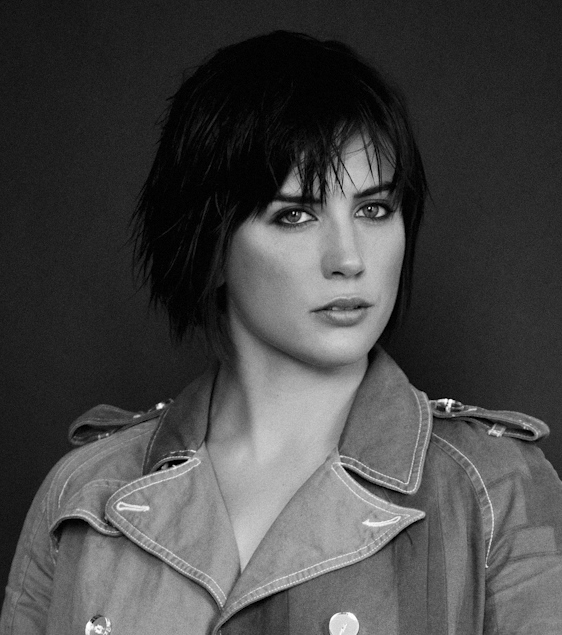
–Art by Milan Vopálenský & Esmahan Özkan
latest Nike release | Women’s Nike Air Jordan 1 trainers – Latest Releases , Ietp