August 15th, 2013 § § permalink
On the theme of Life Cycle
(Editor’s note: The following portraits of elderly men and women were taken in the People’s Republic of China. Please click each image to view at a higher resolution.)
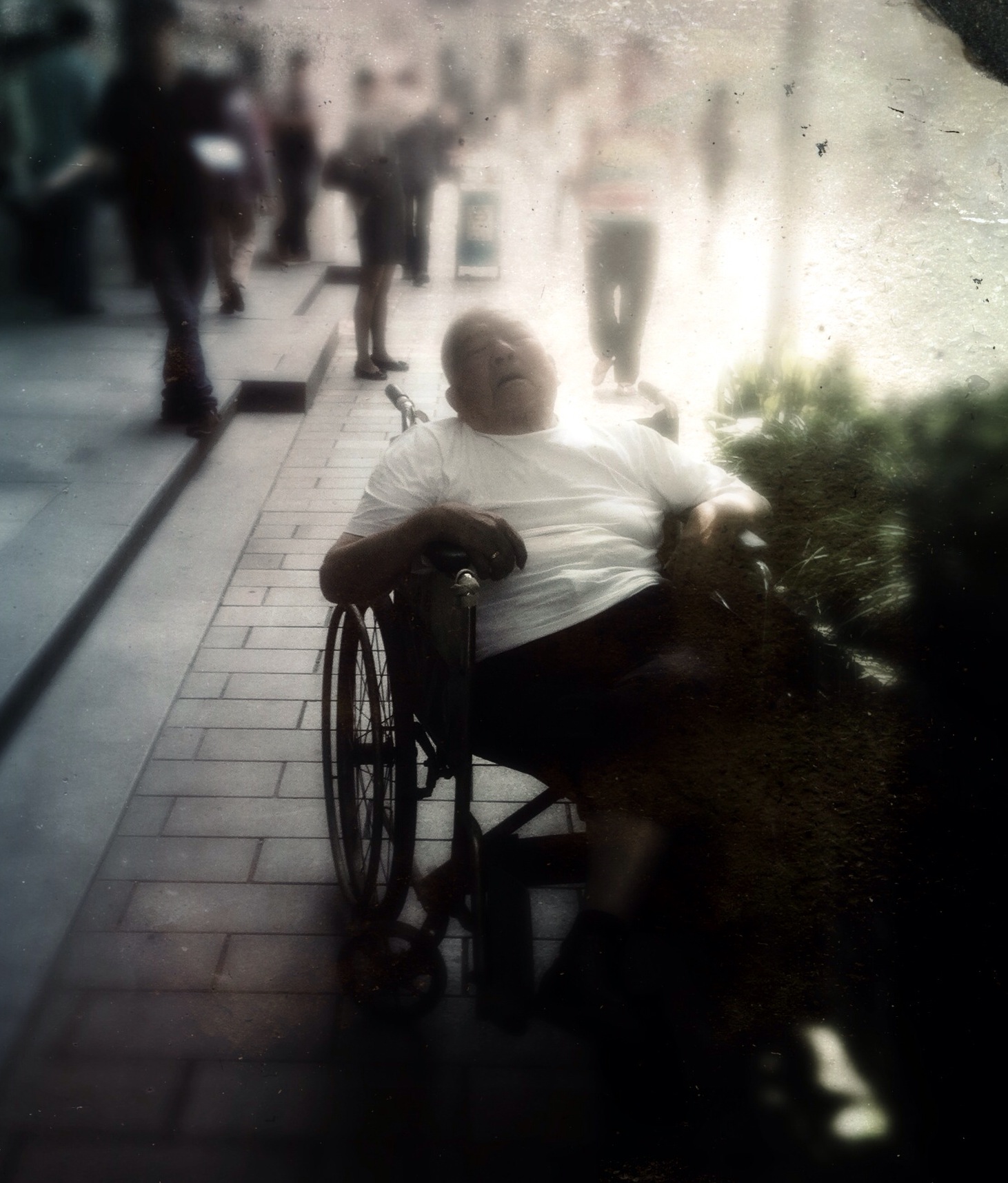
W.M. Butler
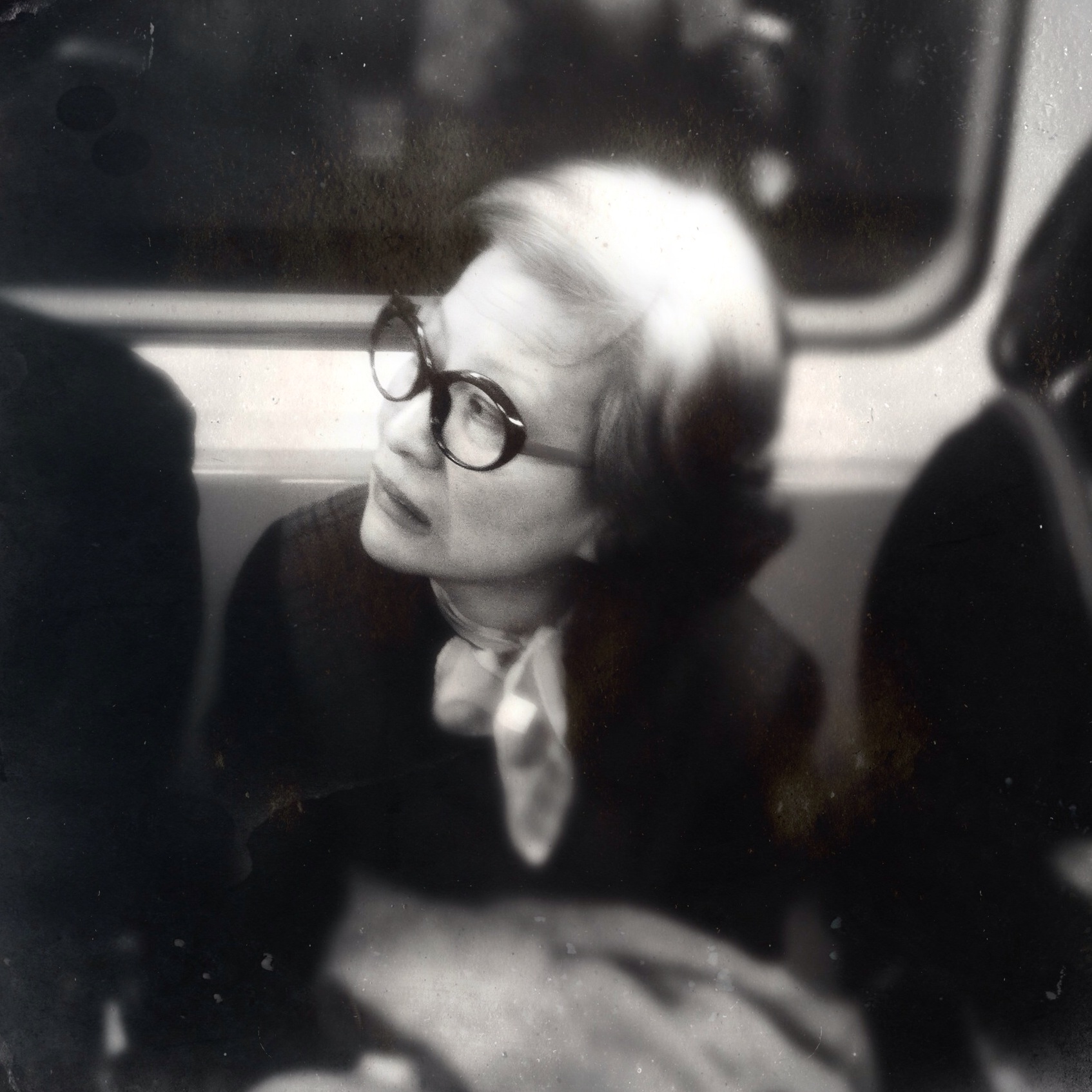
W.M. Butler
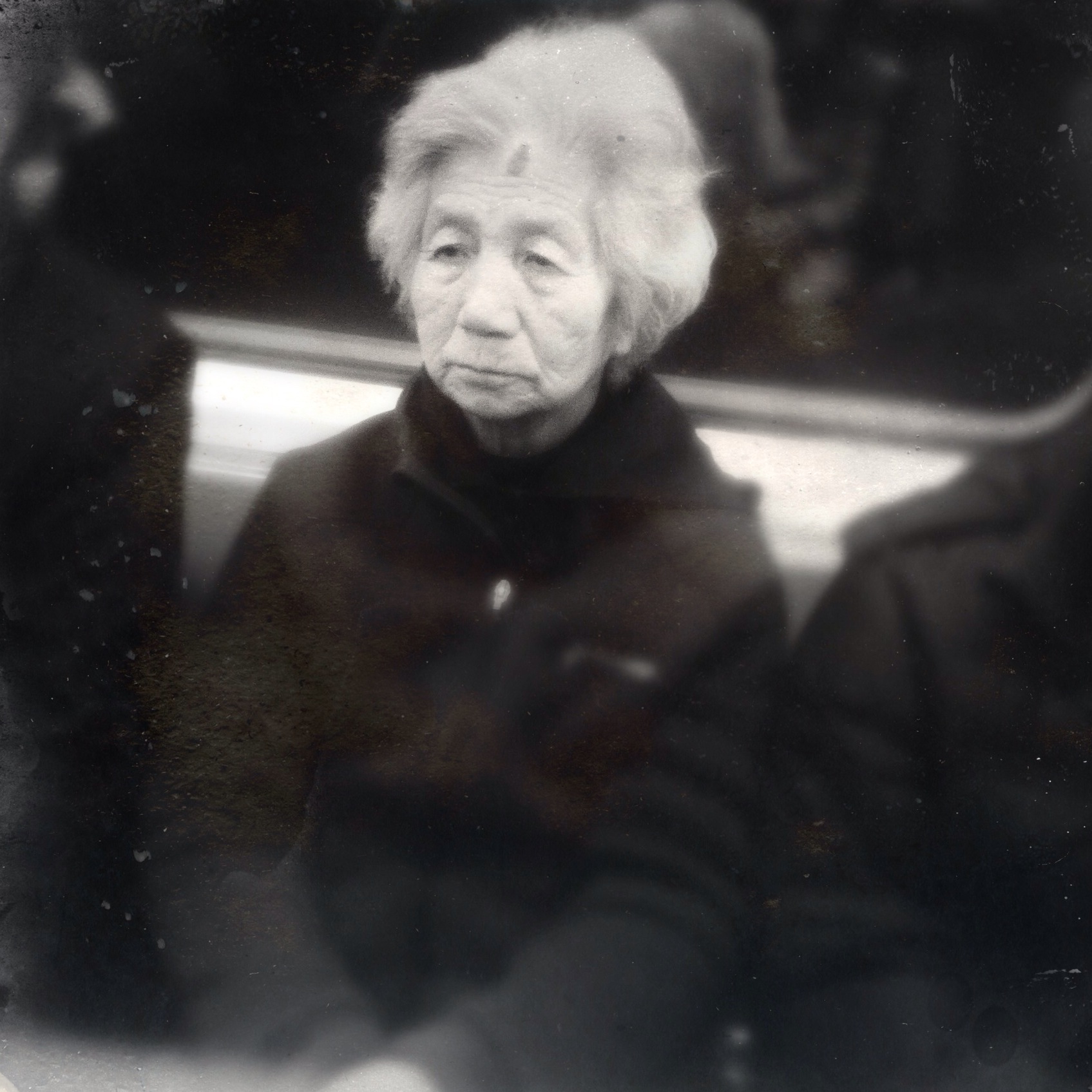
W.M. Butler
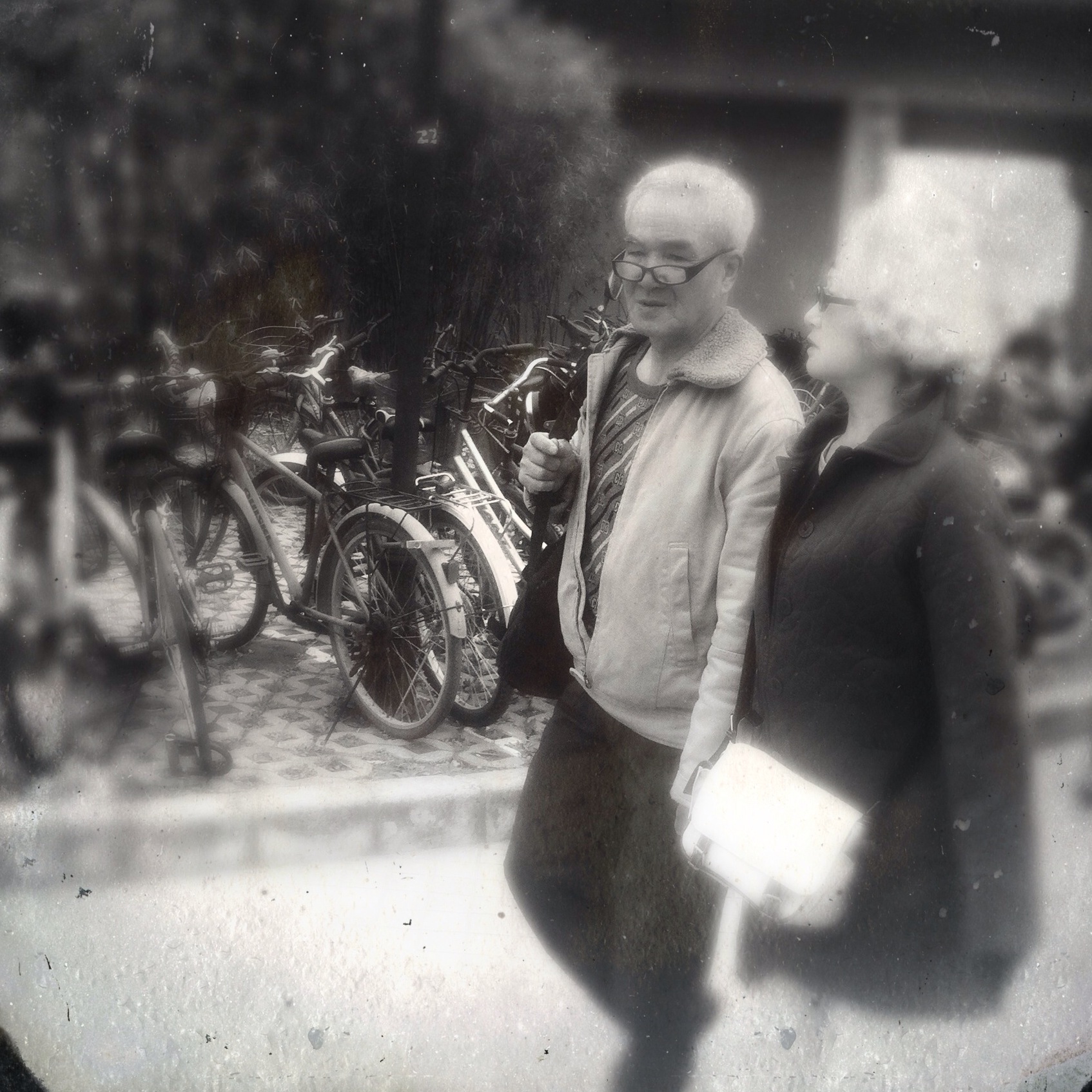
W.M. Butler
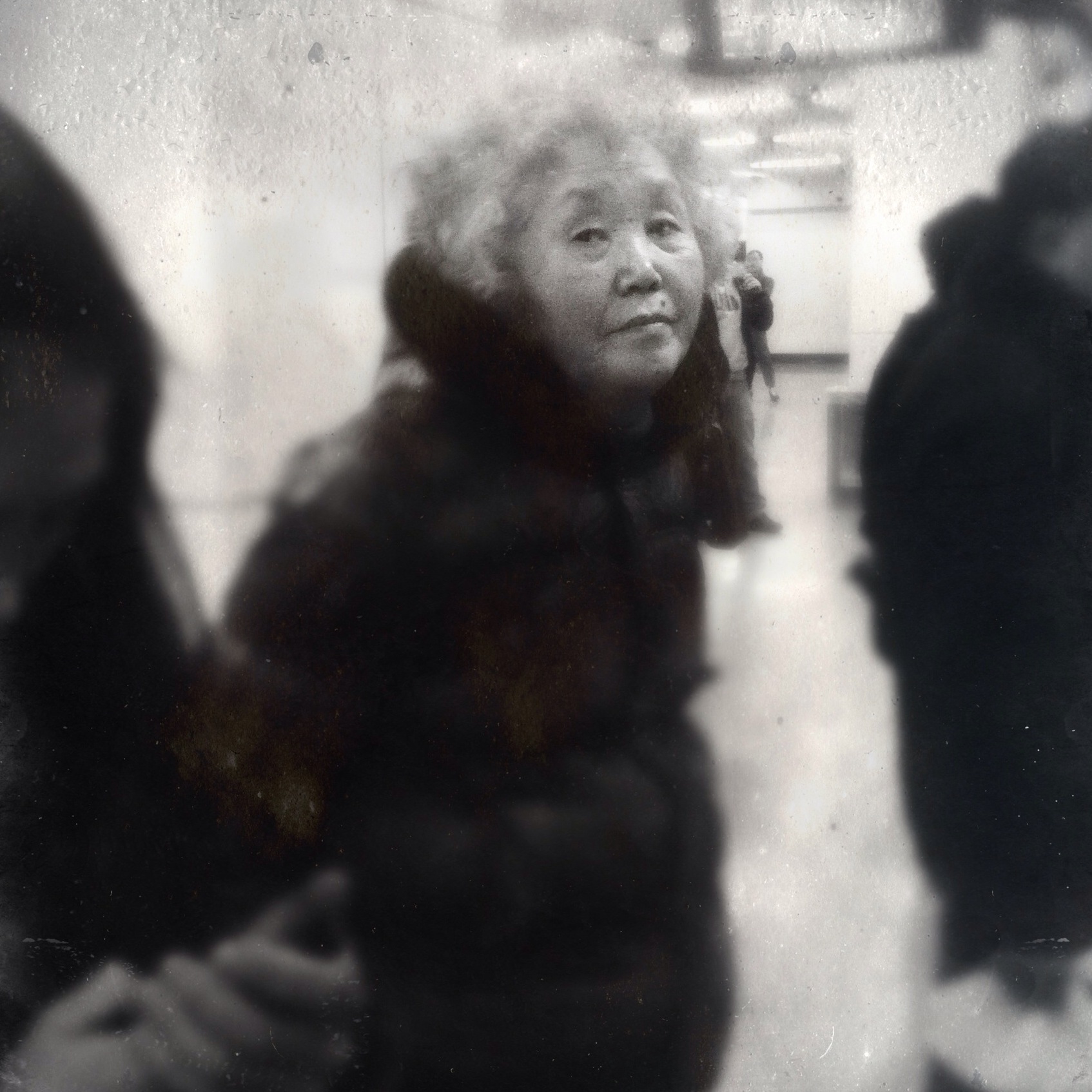
W.M. Butler
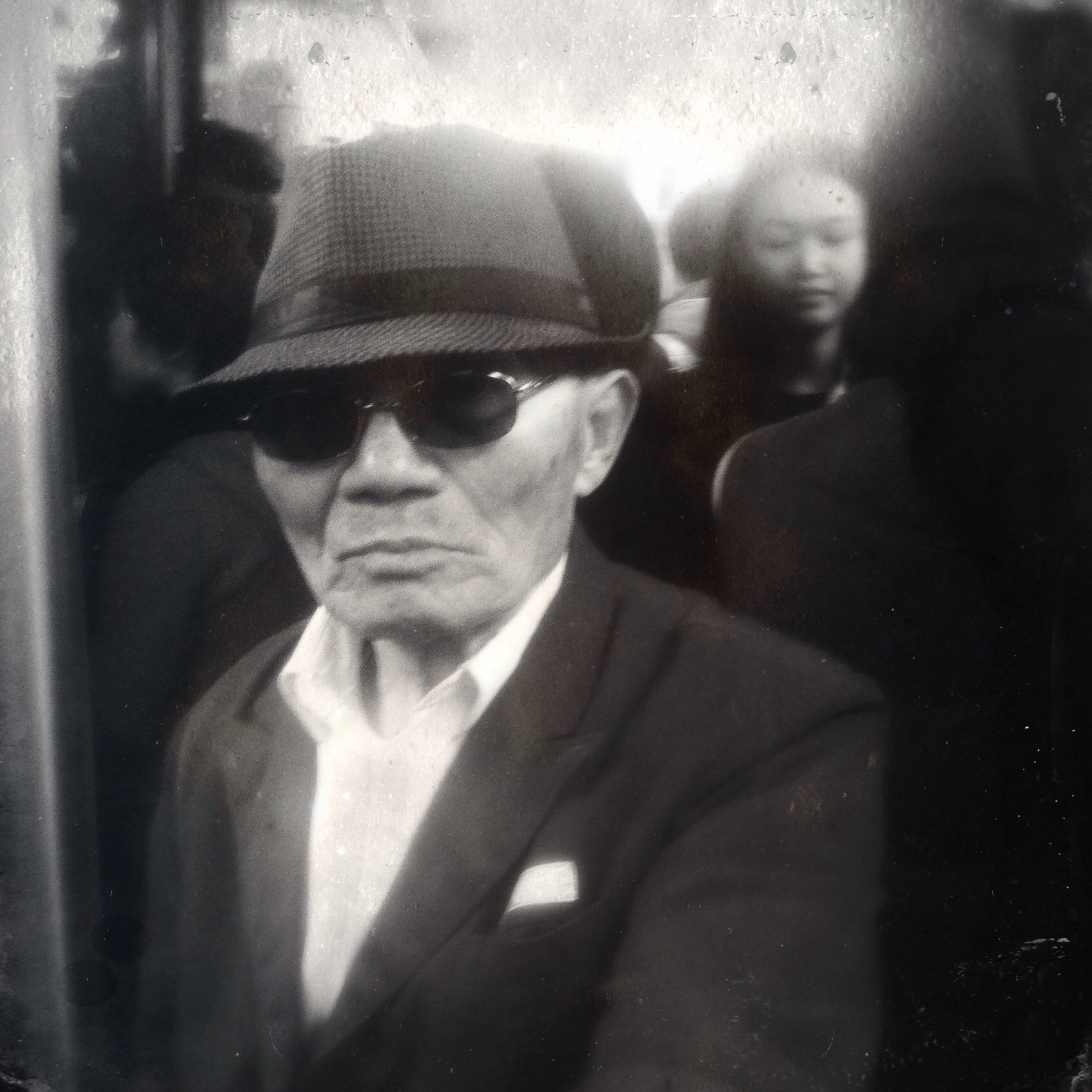
W.M. Butler
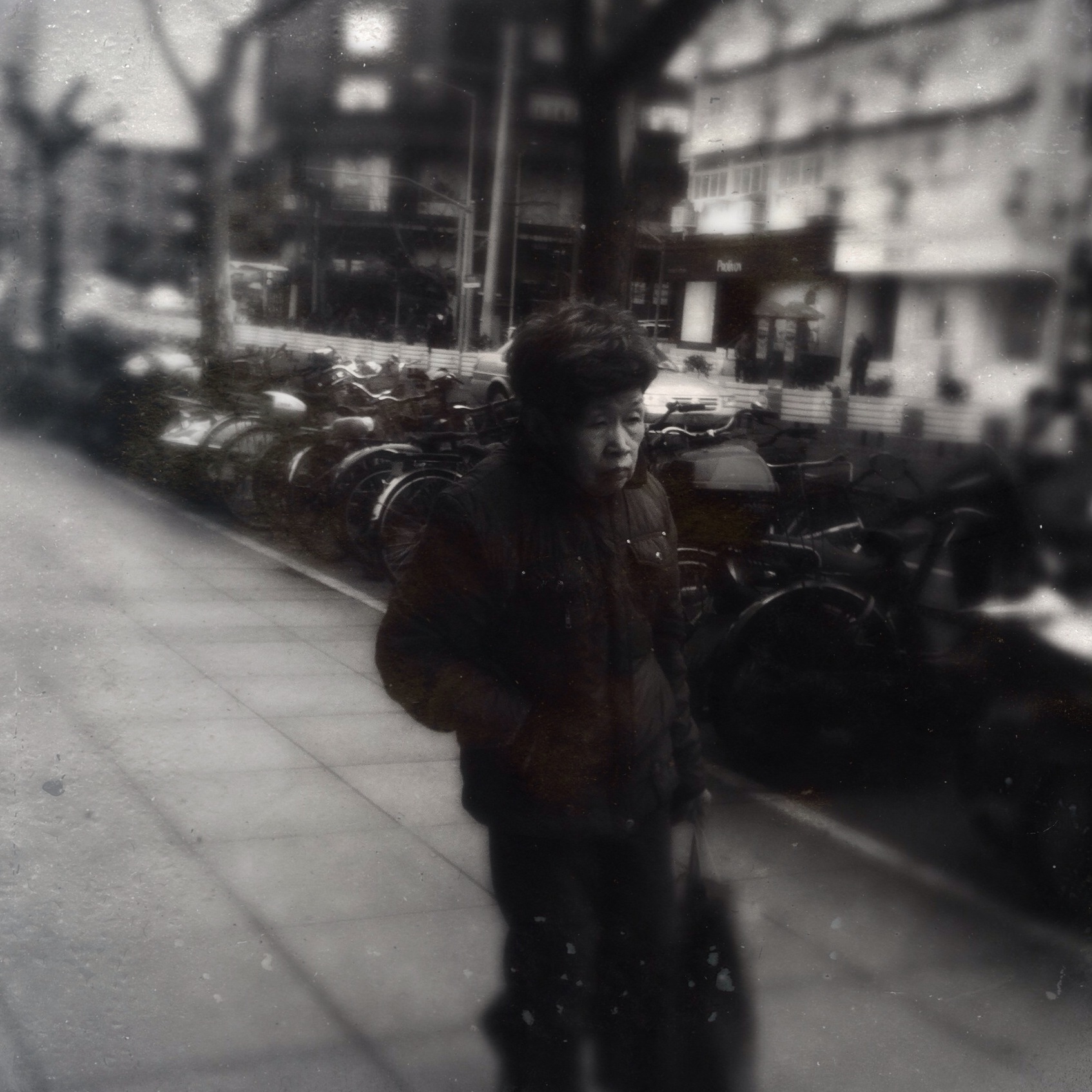
W.M. Butler
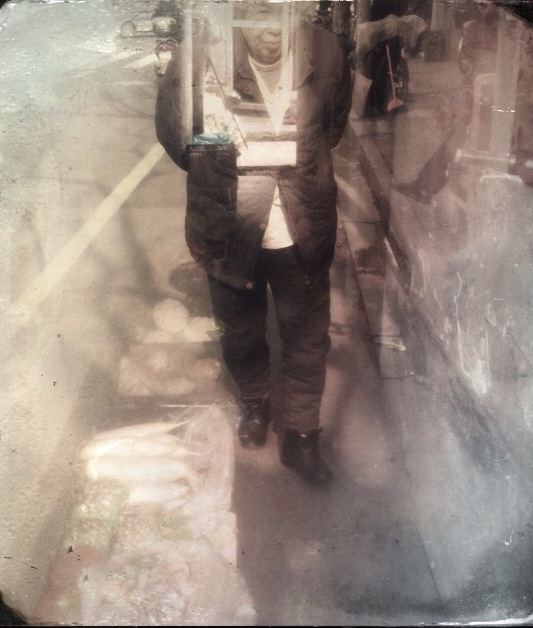
W.M. Butler
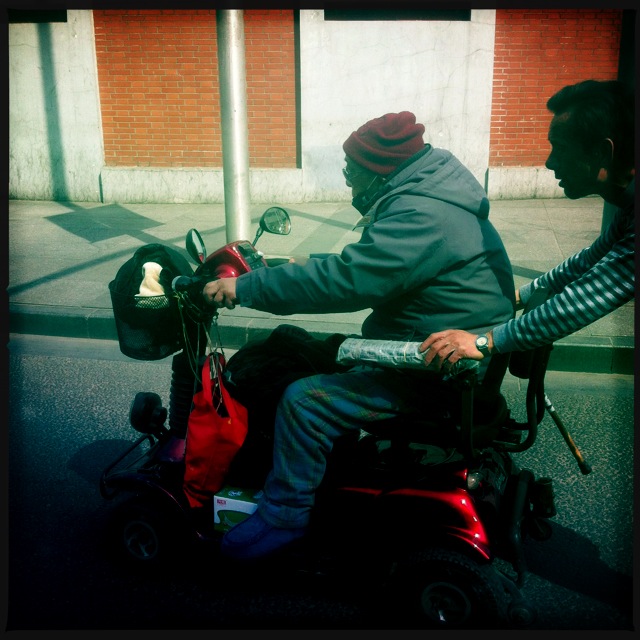
W.M. Butler
Artist Biography
W.M. Butler is a Canadian writer. He is editor-in-chief at Hal Publishing and co-founder of Far Enough East.
August 15th, 2013 § § permalink
On the themes of Envy and Life Cycle
(editor’s note: please click images to view at larger size)

On the theme of Envy
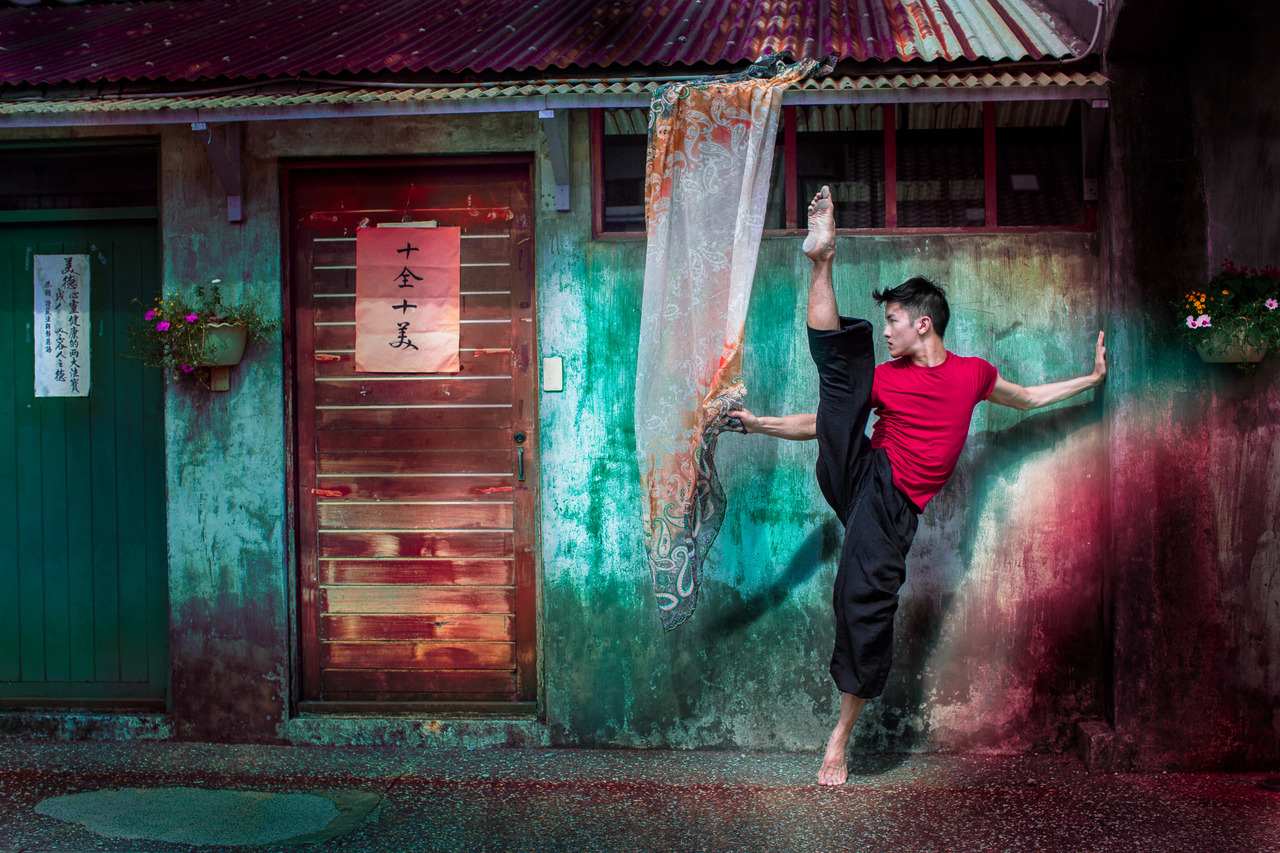
On the theme of Envy
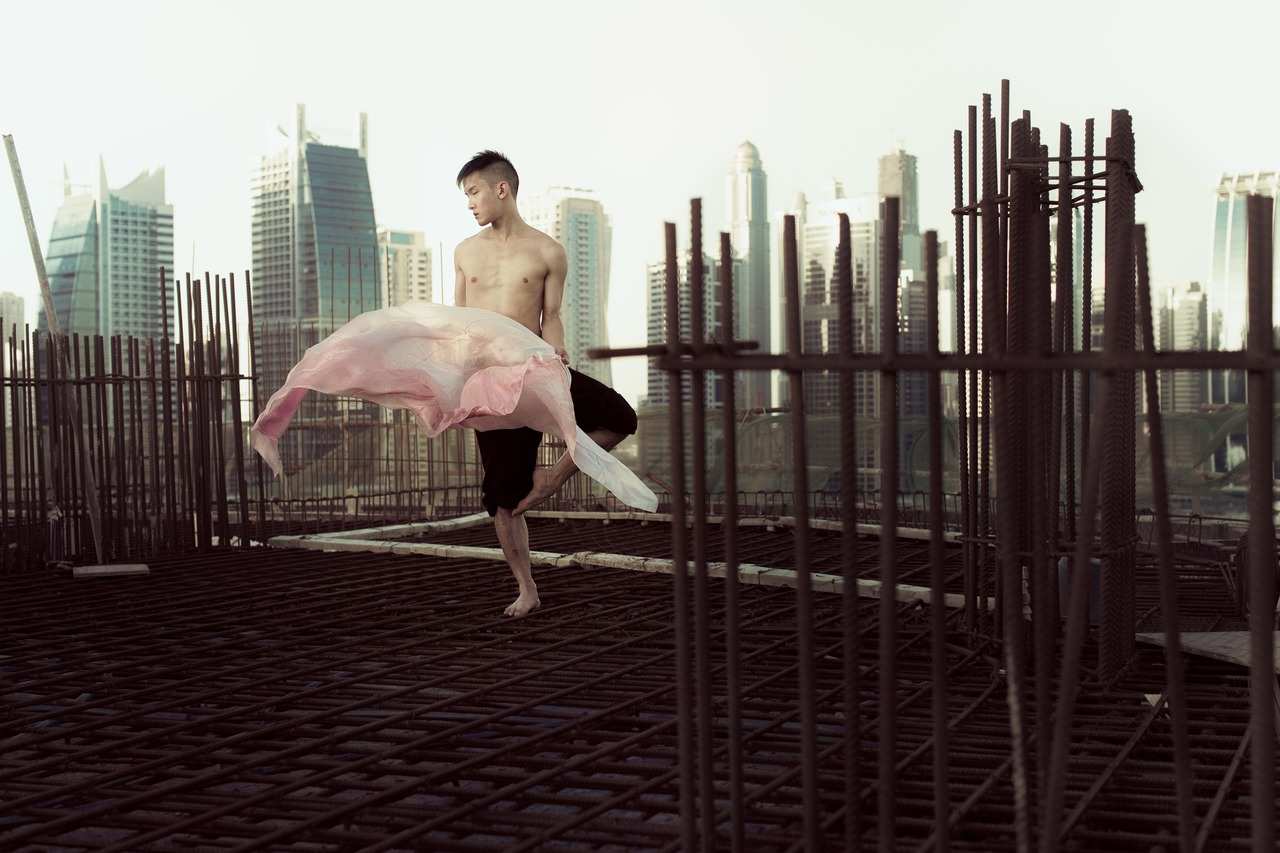
On the theme of Life Cycle
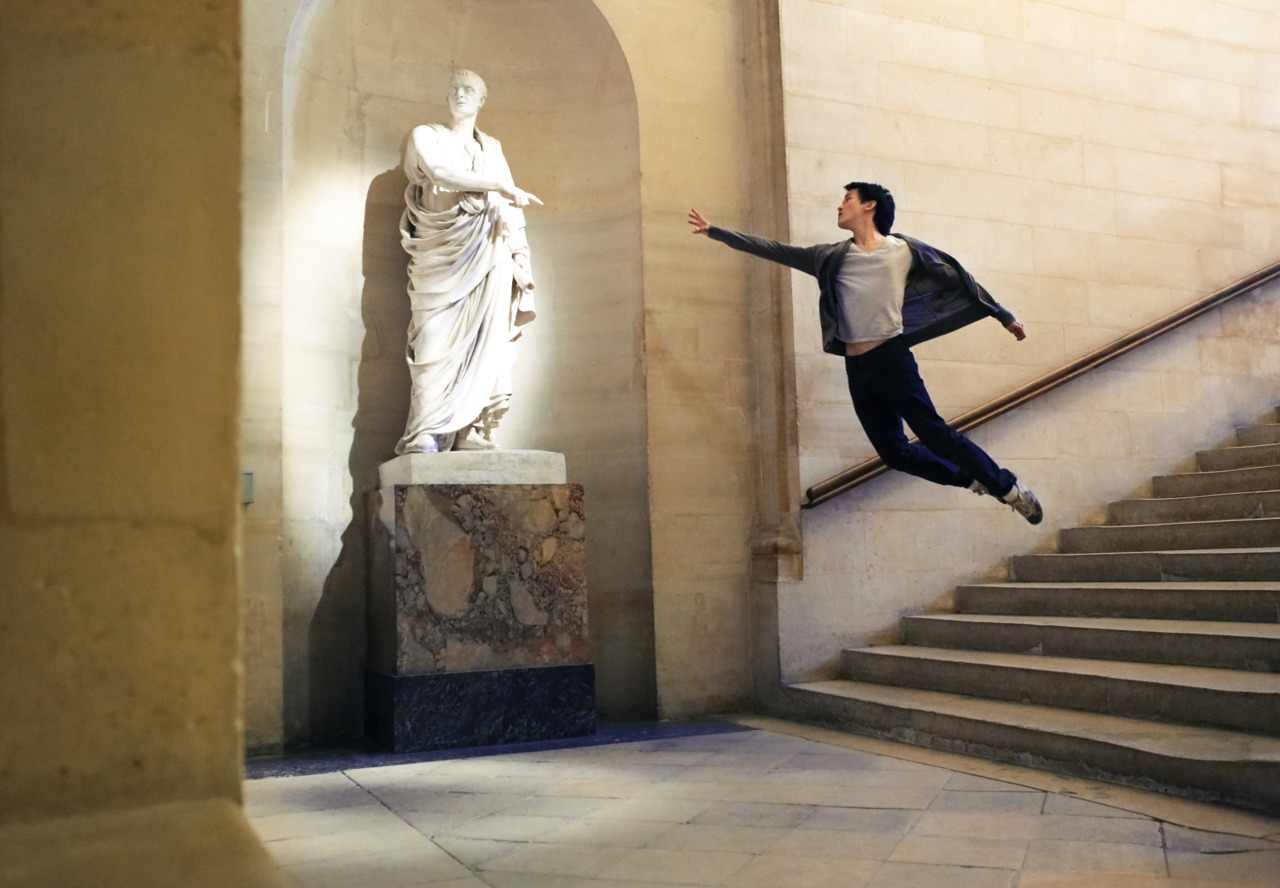
On the theme of Life Cycle
Artist Biography
Mickael Jou is a photographer/dancer based in Paris. He has been dancing for over 10 years. Self-taught in photography, he currently is specialized in dance self-portraits, focusing on perception of movement and lighting.
August 15th, 2013 § § permalink
Dearest Readers,
Here is the eighth issue of Unshod Quills, August 2013, just two months past our second anniversary, and it’s holding new and important work from poets, painters, photographers, editors, essayists, surfers, teachers and caustic dreamers. We’re serving up poetry; life’s blood. Sustaining, sneaky, real work. We’re serving up a little prose and art, too. More sneak, real, bloody sustenance.
How do you read poetry? Do you read like a child at the breast? Nurture and nature and mama’s eyes? In big, life-sustaining gulps like a too tired woman thirsty only for water? In demure sips that leave your lips burning like too much salt? Or furtively, sneaking a poem in like a long draught from a bottle in a brown paper bag?
Do you look up from the screen, the book, or the magazine–the poem standing in your mind–with an envious heart, or one of wonder? Are you reading poetry at all? Or writing it? If not, why not? What the hell are you doing?
Read it. Read it again. Read it out loud. Share it with someone who might give a damn. And use your manners, please. Remember: every poem you read saves the life of one bee.
Finally, join me in congratulating Unshod Quills’ Founding Editor and love-child of David Bowie, Dena Rash-Guzman on the publication of her disarmingly wonderful book “Life Cycle.” Get yourself a copy. Read it. Congratulations, Dena. Well done.
We are a mess. A beautiful mess. So are you.
Yours,
Wenyi
Wendy G. Ellis
Editor
Unshod Quills
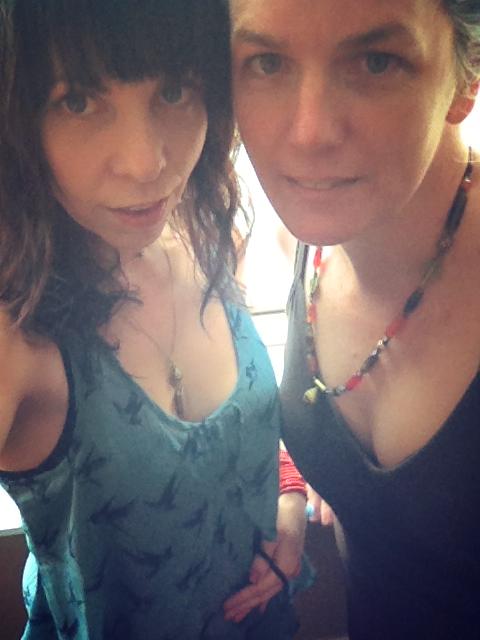
Unshod Quills Editors Dena Rash Guzman and Wendy G. Ellis, at a poetry summit in a room with a view of a fake, tiny Shanghai – Philadelphia, PA – June 2013
August 15th, 2013 § § permalink
On the themes of Life Cycle, Sugar, Epitaph and Bras

Moon Goddess – Casey Weldon
UQ Short Form Interview With Cover Artist Casey Weldon
Who? Casey Weldon
What? Artist/illustrator
When? 1979-any minute now
Where? Seattle, WA
Why? Because I’d be terrible anywhere else in the workforce.
How? School, practice, boredom, perseverance, dellusions of grandeur.
What’s next? My solo show, Meow Brow, opens at Spoke Art in San Francisco September 7th.
Casey Weldon’s website is here.
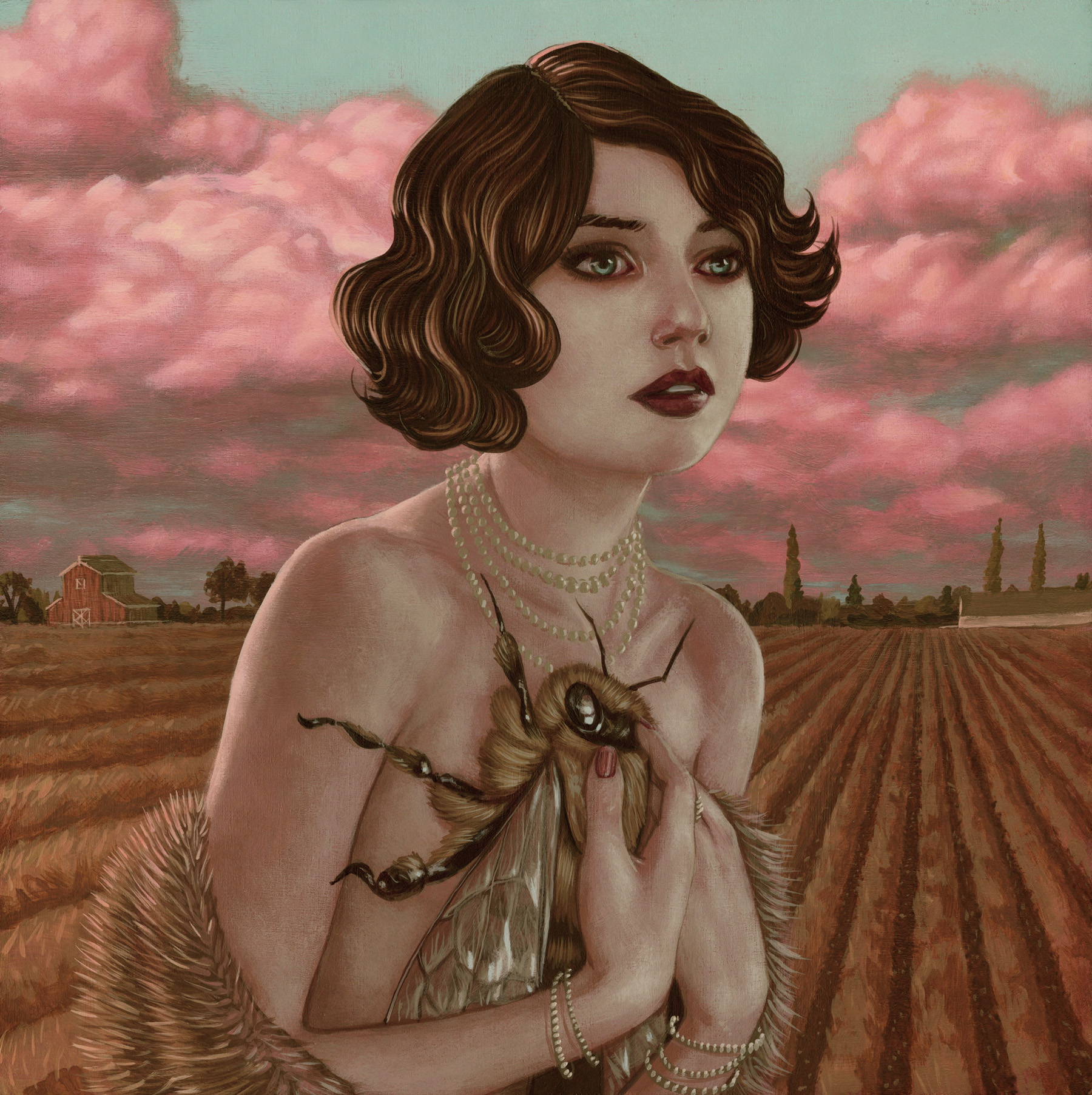
If You’re Out There Getting Honey, Then Don’t Go Killing All The Bees – Casey Weldon
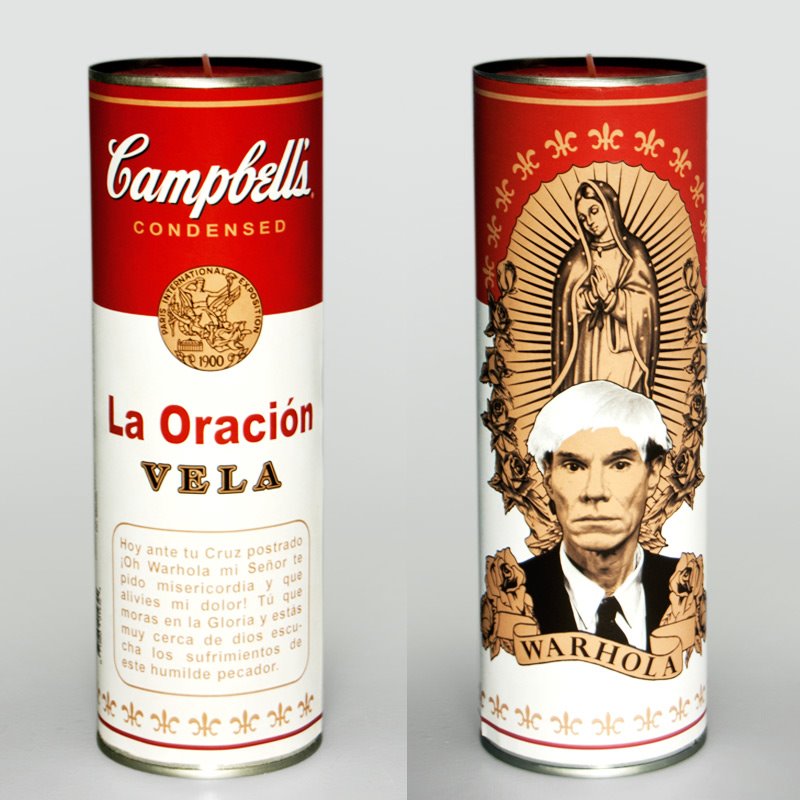
Warhol Prayer Candle – Casey Weldon
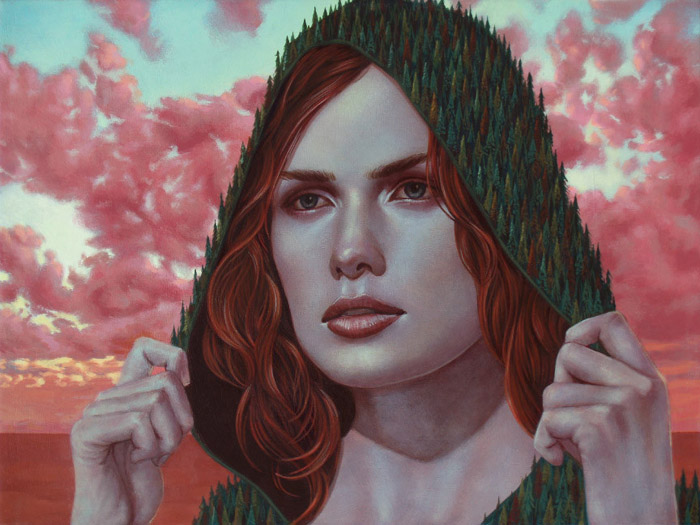
Mt. Hood Summer – Casey Weldon
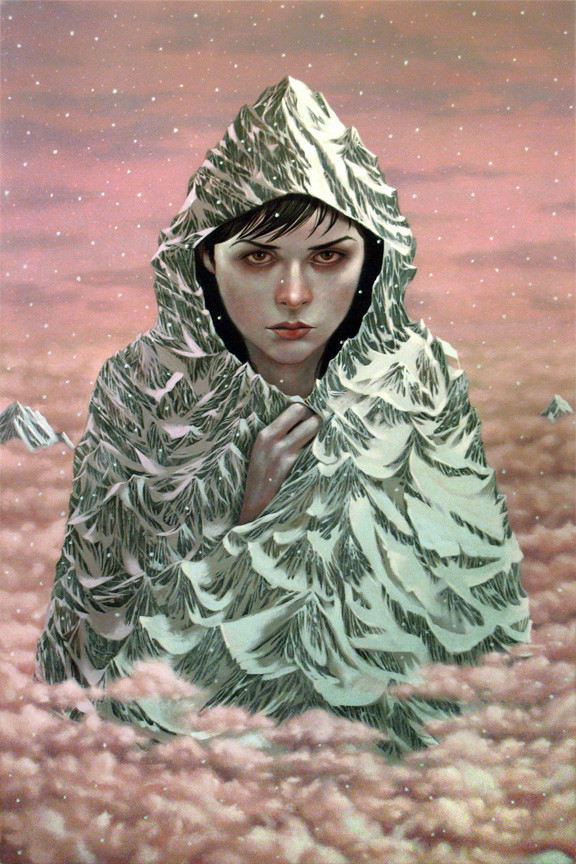
Mt. Hood Winter – Casey Weldon
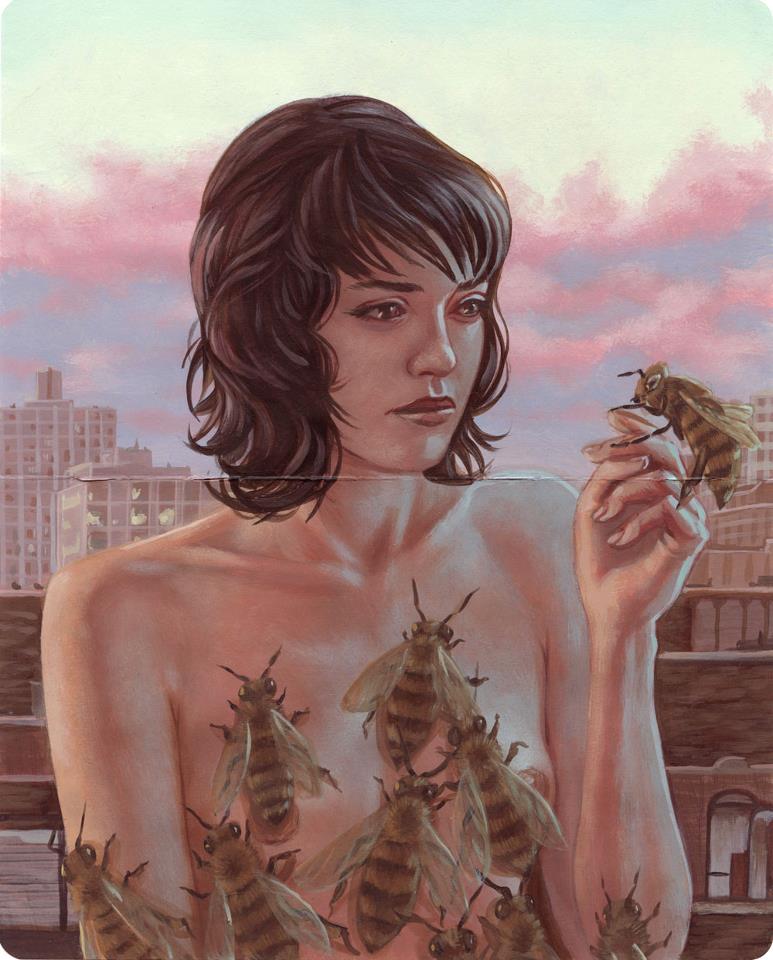
Swarm Weather – Casey Weldon
August 15th, 2013 § § permalink
On the theme of Sugar
Sugar Mama
Our father and his new family visited us after the divorce. They drove from Benicia to southwest Colorado.
He, his wife and three children from her first marriage didn’t come to our trailer.
“It’s best,” dad said, “Not to put Cynthia and your mom in the same room.”
Brian and I walked to their campsite across the highway from our trailer. They were having lunch. Cynthia didn’t offer us anything.
“I trust your mother will feed you,” she said.
Cynthia was silent as the sage and sandstone around us. The youngest kids were afraid to talk.
Dad said, “Brian, do you play any sports?”
Brian said, “Hey dad, I’m on the junior high football team.”
“Atta boy, small and scrappy.”
Cynthia turned and climbed into their van and slammed the door shut despite the heat.
Amy, her eldest daughter said, “My dad killed himself. We’re here because of the insurance money so our mom is mad at you guys.”
Mom picked us up. She said hello to our father with her full use of grace.
Dad smiled at her and said, “Good to see you and the kids.”
Mom nodded and looked towards the van where Cynthia was baking and gave it a polite wave.
Brian and I walked over the next day, but they were leaving. Dad said, “We’re going to see the sights – the Grand Canyon, Mesa Verde, you know.”
We knew. Those places were the reason people visited here.
He said, “It was the only way to get Cynthia to come out here.”
*
We told mom about the father shooting himself and the temper tantrum that Cynthia had.
She said, “It’s just like him to blame everything on Cynthia.”
She fed us ice cream for dinner and said, “May the sugar make us sweet.”
*
When mom died, we found a letter that Cynthia had written to her fifteen years prior.
She wrote, Dave was the best thing that ever happened to your kids. He was a much better father to my kids than their father. You’re making life hard for us and sometimes he loses his patience.
And she wrote, Your selfishness in seeking child support is ugly and small-hearted. I didn’t get anything from my ex-husband.
*
Our father raised those three kids by ignoring his bookish stepson, throwing the eldest down the stairs and calling the youngest a slut. He didn’t pay child support to our mom.
Our mother had saved us from our father’s violence. She chose single mama poverty over married,but violent, financial comfort. She carried her own burdens. We never knew about that letter.
Author Biography
Jenny Forrester is published in many print and online publications, including Indiana Review and Seattle’s City Arts Magazine as a Richard Hugo House New Works Competition Winner. Her name appeared in Poets and Writers Magazine in an article about The People’s Apocalypse, which she co-edited with Ariel Gore. She’s the curator of Portland’s Unchaste Reader Series.
August 15th, 2013 § § permalink
On the theme of Life Cycle
Letter to the Golden Girl
Dear Rose,
On September 14, 1985, I was ten. And you were beside yourself.
Without a home to speak of, you struggled to find a place to rest your head (I’ve known what it’s like to be without a pillow).
But I’m glad those girls took you in. Blanche, Dorothy and Sophia were healthy for you. They gave you balance, I suppose. And a purpose.
That day, when Blanche brought Cheap Suit Harry through the doors, you saw right through him, Rose. With a magnificent gaze into those twinkling eyes you knew he had an ace up his sleeve. Six of them! Six wives. A harem of old bags waiting at the nursing home—and you knew something was fishy all along.
Blanche hated to be wrong, and she probably hated you, too. But we laughed behind her back anyway. And it felt good.
But I won’t lie. I wish you lived with me. You could have sniffed out my father like you did Harry, with that hound-like nose of yours.
Want to know who was under that mosquito net when Pops took me to Samoa?
Me too. Because it sure as fuck wasn’t Mom.
He told me later her name was Maggie. Tell me, seriously, what kind of grown woman is called Maggie?
“A friend,” he said, sheepish grin showing the tips of his wolfish teeth.
One more question, Rose: What kind of friend wraps herself (naked as an insect) around a boy’s sweaty father? I was only trying to say good morning while rubbing the nightmares from my eyes. But the real nightmares were up in my family tree, like a gang of crows, too high to reach.
On September 28, 1985, Charlie’s death ravaged you. And it was brave to date again. I admired your will at that jaded age to see the good in men—though Arnie still tried to fuck you in the ship’s State Room. It wasn’t right. And when all you gave him was a piece of your mind, he called you a goddamn prude.
My father could have learned a thing or two from you, Rose. Of course, he, too, would have fucked you in the State Room, but he would have left you, crept silently from the bed in the middle of the night, with those shadowy walls and the humming of the ship’s engine.
On January 11, 1986, I didn’t believe what they believed. I knew you weren’t a killer. It was a coincidence. Charlie died between your sheets and so did the other guy. We never learned his name. It must be strange to expire in a stranger’s home. It must be strange to expire at all. What’s it like, Rose?
To expire, I mean. Not to be strange.
On September 1, 1986, an entire summer passed without a word. But I didn’t blame you, Rose. We were busy with families tearing themselves apart from the inside out, while we stood, slackjawed, watching the show unfold.
You lost a job, saw your estranged sister, watched Sinatra croon. I sprouted pubes, got expelled from school and learned to masturbate in the shower.
I did my thing. You did yours. We were even, I think. Except when you accidentally seduced a lesbian. I was too young to know what that meant.
On January 24, 1987, we thought you died. It was a harmless tremor in your throat, an earthquake in your frame that settled as soon as you got some rest. But it was the same week I watched my own sister, two-years-old, wither away in the hospital, purple as a rotted plum. I could almost see her last breath rising into the fluorescent lights. When she died I felt a rusted stake plunging through my chest. But when I think back, it was only a pin prick, a gesture from the devil to keep me on the move.
On, December 19, 1987, that handsome artist sketched you in the nude. It was the first time I’d thought of you that way. And I admit, I hated you. You were like a mother to me. But these bamboo houses are the fragile dilemmas in which we live.
Why must you tempt me, a pubescent boy?
You never answered, and I still don’t know.
On March 25, 1989, your bottle of pills fell into the sink and you writhed on the tiles, screaming until Sofia brought you more. And it was delightful. A comrade in chemical lust. We’d cut off our fingers to taste that feeling. And we almost did. In the Reno mental hospital, they painted a smiling sun on the gray brick wall. We all tried to escape. A blue bird banged against the window. He was trying to get in! They drugged us good and we all went madder than hell. Oh god, what a sick party we had. I wanted to reach out to you, Rose. But I didn’t know that you were real.
On March 2 1992, I had more important needs. I was seventeen, trying to grow a beard. You had a hunger for pharmaceuticals and shopping—a debt, higher than god. Your heart went sour and you ended up, once again, on the table, under those fluorescent lights and I wasn’t there.
Rose, nothing good ever came from a hospital.
Turns out, your heart was fine. Mine was in question. I took mom’s car and drove toward Mexico with a bag of speed and a girl with a coke hole burned through her nose. We were the same, dear friend, but we needed separate things. We had our own plants to water. You walked through Florida in a daze while I stumbled through Boston with a scowl and a sweaty knife rolling against my palm. It pained me greatly to watch you go, Rose, and my heart still aches.
But I did see it coming.
You were tired, my companion, and deserved a good rest. Through childhood, you kept a good charge running through my bones, like a tiny battery in a cheap watch, which, when I think, is a horrible metaphor to use.
Especially in the end.
I’m sorry, Rose. You deserve better. And from the look of things, I am the small one and you’re the goddamn ship in this ocean. That’s what I should have said: You kept me afloat in this fucking lifetime of water and salt.
I shouldn’t curse. I know. But you dredge it out of me.
On March 24, 2010, I learned that you were an orphan. How could I not know such a thing after all these years? It’s an awful thing not to know. The parts we don’t know are ones that hurt most.
The last time I saw my own father, we stood in the South Station Greyhound, two grown men with our hands in our pockets, drawing imaginary circles with our feet on the splotchy floor. He asked me what kind of music I listened to. I shrugged my shoulders and told him rock ‘n’ roll.
I asked him if he still believed in God and he started to laugh, gritting his cracked teeth through his unkempt mustache, eyes wet as a buffalo’s.
When the bus rumbled off to California, he was still in the station, laughing, waving his arms like the uninvited guest at some fancy soirée.
On November 11, 2010, I flipped through channels—past the whores shackled in cop cars and makeup-caked comedians dancing for applause—and stopped on a show about Lluvia de Peces, the Rain of Fishes, when every year the black Honduran sky explodes into thunderous rain that clears after a couple hours, leaving the streets drenched, slapping with live fish that fell from the sky.
It’s a phenomenon explained only by believers as a divine gesture from a wandering priest who prayed for three days and three nights for the lord to feed the children who clutched their sour bellies, bloated from hunger.
On June 15, 2012, I sit with a chewed pencil, fresh sheet of paper and a half-rotted mind, scratching my head, trying to make sense of things.
The shades are drawn, the television plays and the weatherman points to the sun.
“Look outside! Go to the park,” he orders. “It’s beautiful out there.”
Rose, I’ll never gaze into the sky as I gazed into you.
Relentlessly Yours,
Josh Fernandez
Author Biography
Josh Fernandez writes for Spin Magazine, The Sacramento Bee, Sacramento Magazine, Submerge, Boulder Weekly, and San Antonio Current and teaches writing at the Los Rios Community Colleges. He was nominated for a Pushcart Prize in 2011. Fernandez’s first, full-length collection of poems, Spare Parts and Dismemberment, is available from R.L. Crow Publications.
August 15th, 2013 § § permalink
On the theme of Life Cycle
WHAT TO EXPECT WHEN YOU’RE EXPECTING SOMETHING ELSE
I was a cluster of cells, a zeigot, a would-be zeitgeist screwed into her guts. She had a tender mouth, an eye for Maiden’s Blush. A borrowed Dart, just the two of us. There’s always someone who wants to unmanifest things for unmarried girls. I was conjured with Joe Cocker records and a raft of Southern Comfort on a Mississippi party barge nearly on the rocks, I am here to say forgetting is to gone-away like caboose to late-night train. On the phone the nurse said the clinic was unmarked that she ought to look for a yellow VW beetle. Once I caught a ladybug in my hands, legs so small they felt like whispered love. Maybe she pulled in, pulled off one mitten. Maybe she pressed the cigarette lighter, wanting smoke, the burn of something sure. Hand on a Winston, mind on her baby brother. The size of his pinkie when he was born. I don’t know what she said when she drove away. My ears not shelled enough to gather sounds of that world.
Author Biography
A.M. O’Malley lives, writes and works in Portland, OR. You can find her work in The Burnside Review, New Moon Magazine, Ontologica Magazine and numerous zines. For more info go to swiftsparrowswallow.com
August 15th, 2013 § § permalink
On the themes of Bra and Epitaph
SIGNS AND SYMBOLS
These last weeks, I’ve been searching for signs –
on the river a red helicopter hovering above a boat called Quantum
while across from Liberty the faces of the clocktower stand frozen at five past four,
first at the deli, then at the café’, Proud Mary playing,
and out my bedroom window, the strange bright chirps
of the birds building a nest in the blind winter night,
and, speaking of birds, everywhere the pigeons that have been flying at me –
one scrabbling its claws against my umbrella,
another glancing off the top of my wool hat,
though homely and dirty, its wings outstretched with confidence –
since you fell from the sky.
Once you were a small boy who didn’t cry
when you were stung by a bee, but accused with dry eyes,
Look! Look! Now, I told you it would bite!
Then it was you who called me Tough Guy in Toisanese
when I had stifled my tears after grazing my knees,
and then held me, my chubby arms slung around your neck.
Later, you told me how matter could be neither created
nor destroyed, and, since the universe was breathing, expanding
and contracting like sand dissolving into the sea,
it was possible for particles to behave as waves,
waves as particles, joined in space and time.
PORTRAIT
Maddy draws me –
a head,
a pair of boobs,
and beneath, a womb
where the egg,
a speck of black pen, lays.
Author Biography
Wendy Chin-Tanner is the author of the poetry collection TURN (Sibling Rivalry Press, 2014) and has been published in such journals as The Raintown Review and the Mays Anthology of Oxford and Cambridge. She is a founding editor at Kin Poetry Journal, poetry editor at Stealing Time Magazine and The Nervous Breakdown, and is staff interviewer at Lantern Review.
August 14th, 2013 § § permalink
On the theme of Life Cycle
Ley Lines
WHEN I LIFT THIS GIN TO MY LIPS
I spread the maps across the floor
The freeways like ley lines
You’ve been leaving me for so many years now
You’ve broken my heart in 80 and fixed it all new
No four a.m. hands to face
No late night documentarians
No black out punch drunk
Love
WE HAD TO LEAVE EACH OTHER LIKE
But never say you miss him so
Never say you want to lay your body settled by his
In the night
It’s a new life
But it started like this: Technicolor day-glo brights
My brother reading in a basement
And we shared a cigarette upstairs
HOW TO TELL THE SHY OR THE UNBELIEVERS
When eyes meet a soul connection
Reach back to the place beyond this life.
Back
Beyond this life
We started in swirls
In marriages
In relationships
Where I
I WAS WRONG ABOUT EVERYTHING
You’d scream if we could just be back
Together licking ice cream
Swinging our heels
To the stage of devotion
All water was holy water
And all smoke frankincense
We had a routine
A morning routine
Where we’d smoke and dance
To the one song that is exquisitely ours
With phosphorescence in action
We had a day
A lifetime
YOU ARE CAUGHT IN MY HEART
I had adjusted my schedule to fit his long ago.
Now I don’t sleep
Just to make sure we see the same sunrise
Wherever he is
Long dusty sunny roads
And me
Caught without ink on my hands.
Author Biography
Monica Storss is a “left-coast poet with an affinity for the deep South.” She writes the “Ask A Publicist” column at litbridge.com, is a curator at If Not For Kidnap, and co-runs CymaSpace. Her work has appeared in Dash Literary Journal, Unshod Quills, The Southern Women’s Review. She has taught at UC Davis, Portland State Univeristy, American River College, and Portland Community College. Best known as a performance poet, she has toured all over the world. monicastorss.org.
August 14th, 2013 § § permalink
On the theme of Life Cycle
HOW TO WRITE YOUR OWN FACE
Everywhere I go, I am bombarded with “I” statements and close-ups taken at arm’s length. These days, it seems like everyone is taking pictures of themselves and writing memoirs, large and small, from tweets to status updates to blog posts to self-published tomes. We used to wait politely for someone to ask us how we were but now, we announce every detail as though life was an open microphone. In the last ten years, new technologies have allowed us to see ourselves from the outside and project an intimate view of ourselves out into the world and we can’t seem to get enough.
I have a “friend” on Facebook who takes a picture of herself every day. For years she has posted a daily self portrait, usually taken in her bathroom in the morning just after she’s showered and applied her make-up and sometimes in her car, presumably on her way to work and hopefully before she’s actually on the road. This is a girl I haven’t seen since sixth grade but, after years of seeing these posts (Liza with a flower in her hair; Liza wearing a new blouse that shows a bit of cleavage from this angle; sleepy Liza who didn’t have time to shower this morning accompanied by a long string of comments reassuring her that she looks great anyway) she has become familiar to me. I don’t remember much about Liza but her face has become an old friend, a comforting touchstone, and a part of my daily ritual.
Another “friend,” a writer whom I’ve never met, writes lengthy status updates at least six times a day on average. She also has an alter-ego (to whom she refers as her agent) who goes by the same name with the first and last letters transposed, who posts nearly as often. This writer always writes things that are witty and fresh. Plus, she engages in lengthy repartee with many other writers online and, as a result, my feed is dominated by her writing. Truth be told, I have never read any of her books and, now that I think about it, I’m not even sure she has been published. Nevertheless, she will always be a clever, funny, and Famous Writer in my mind.
There is a part of me that feels shocked and mildly embarrassed by these egocentricities. That part of me wants to lean close to you, point at her and whisper, “My god, can you believe the self-absorption!?” That part of me wants you to agree so we can roll our eyes and smirk a little and decide that she deserves our pity. But while I’m being honest, I must admit that part of me is a vestigial puritan, stuck like a fly in the sticky psychic residue leftover from junior high school, the ugliest, tightest, churchiest aspect of my personality.
Thank god there’s another part of me, a bigger part, that feels admiration and a touch of awe when I see a woman who isn’t afraid of being seen. The older I get, the more I suspect that the source of a woman’s visibility is her ability to see herself.
In other words, it’s time to grow up and it’s time for us to take charge of our own publicity.
For years, I waited for someone to notice, someone to ask me to dance. I have waited for submissions to be accepted and literary recognition. I waited for compliments, validation, and thanks. In conversations, I’d ask a lot of questions and wait patiently for my turn, which didn’t always come. If asked what I did for a living, I’d explain about my kids and the teaching or the bookstore but I didn’t call myself a writer– to do so felt self-aggrandizing and possibly untrue. After a wedding or a vacation of some other photo opportunity, I’d pore over the pictures hoping that this time, the camera had magically captured my good side.
What the hell am I waiting for?
HELLO, WORLD. THIS IS WHAT A WRITER LOOKS LIKE.
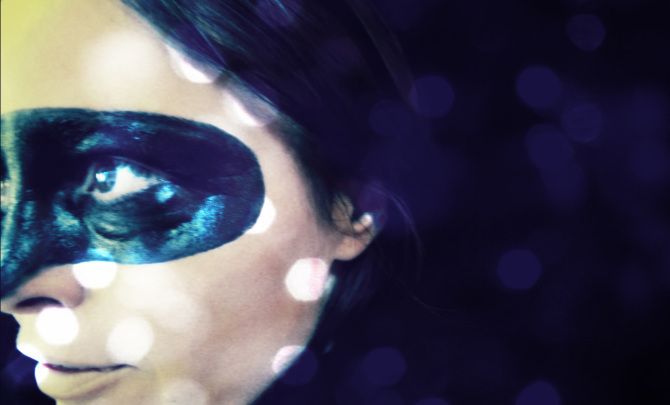
Step #1: Make Your Own Picture.
- Charge up the digital camera and put on your best shirt.
- Take a picture of yourself and then really look at it. Think like an artist: How is the background, angle, composition, light? Think like a writer: What is the story? What is the mood? What’s interesting? What do you want to say?
- Move to another spot. Adjust the depth and angle. Turn on a light. Try a different character. Will you be a smiler or a serious type, a dreamer or a doer? Look right into the lens like you’re looking at an old, dear friend. Gaze up at the light, try a profile. Think thoughts.
- Hide the parts you want hidden. Make it as real as you want it to be. Experiment with putting feelings on your face. Can you make your soul shoot out of your eyeballs? Can you tell a story without moving your mouth?
- Keep taking pictures. Keep looking at the pictures and evaluating. This is just part of the editing process. Nobody else is here, no one is looking, it doesn’t matter what they think. Take a million pictures. Do not stop until you have one you like.
- Go to http://pixlr.com/o-matic/, upload your photo, and play with the effects.
- Put the photo somewhere where you can see it and remember.
What are you waiting for?
Author Biography
Anna Fonté has written two novels, collections of short stories and personal essays, and accounts of her attempts to befriend the neighborhood crows. She lives in Berkeley, California and can always be found at http://www.girlinthehat.com.
(editor’s note: this essay was originally published online at Anna’s blog, Girl In the Hat.)
